
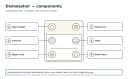
Quick answer: If your dishwasher leaves water above the filter after a full cycle, check the selected cycle, removable filter, sink drain, and visible drain hose first. A small pocket below the filter can be normal. Stop if water reaches electricity, the pump grinds, or a drain error returns; those need service.
Before you start
| Item | What to plan |
|---|---|
| Tools | Exact model manual, flashlight, towels, shallow cup, gloves and a soft brush |
| Time | 15–30 minutes of accessible checks; allow hot water to cool |
| Difficulty | Easy for filter and visual inspections; internal pump or wiring is professional work |
| Safety | Stop if water is near electrical connections; do not touch wet plugs or breakers, open panels or put fingers into pump openings |
Key takeaway: Tools: what to plan — Exact model manual, flashlight, towels, shallow cup, gloves and a soft brush.
Photograph the tub before disturbing anything. Note whether the cycle actually finished, how deep the water is, and whether the kitchen sink also drains slowly. The timing matters: a machine stopped midcycle may still contain its normal wash water. A finished dishwasher with water standing across the tub floor is different from a small pocket below the filter that some designs intentionally retain.
Causes ranked by likelihood
| Cause | How to check | Safe fix or next step | Difficulty |
|---|---|---|---|
| Cycle paused or incomplete | Check display and cycle state | Follow exact manual's resume/cancel-drain instruction once | Easy |
| Dirty removable filter | Inspect user-serviceable filter when cool | Rinse and reinstall as instructed | Easy |
| Blocked sink or disposal | Observe whether sink backs up | Have drain cleared; do not pour drain cleaner into machine | Easy to Pro |
| New disposal inlet plug left in place | Problem began after disposal installation | Have installer inspect and correct connection | Pro |
| Kink, obstruction or bad drain routing | Look at accessible hose and air gap | Correct only visible non-invasive issues; installer for rerouting | Easy to Pro |
| Drain pump or control fault | No flow after other checks; grinding or recurring error | Qualified appliance technician | Pro |
Key takeaway: Cycle paused or incomplete: how to check — Check display and cycle state.
1. Confirm that the cycle reached its drain stage
A dishwasher still in a wash or rinse stage is supposed to hold water. Check the display, whether Delay Start or a paused cycle is active, and whether the door was opened before the program finished. Some machines wait for a specific Start/Resume sequence after the door closes. Use the manual's instructions rather than pressing random combinations.
If there is no leak or electrical hazard, one manual-approved Cancel/Drain may help establish whether the machine can pump out water. Do not repeatedly restart and fill an already flooded tub. Write down the result: a pump sound with no water leaving points to a different problem than complete silence. Avoid interpreting sound alone as proof that the pump is good; a blocked or damaged pump can hum too.
If the tub contains hot water, let it cool. Use a cup and towels to remove excess water from the open tub if needed before filter inspection. Keep water away from power connections and under-cabinet sockets. When the floor is wet near power, step away and have a qualified person make the area safe.
2. Clean the model's removable filter
Learn how to clean the dishwasher filter from your exact manual. Usually this means removing the lower rack, unlocking a marked cylindrical assembly, and lifting out a screen. Not all models use that arrangement. Never force a part that does not release as shown.
With the dishwasher off, cooled, and safe to access, inspect the visible filter surface. Pick up loose scraps from above it without inserting fingers into holes. Wear gloves if broken glass may be present; if glass is hidden below the filter, leave it to service rather than feeling around blindly. Rinse removable filter pieces under running water and use a soft brush for stuck residue. Avoid bending fine mesh or using a metal pick.
Reassemble every piece in the correct order, turn it to the locked position, and check that it sits flush. The machine should not run with an absent or loose filter. LG's filter care instructions explain why regular cleaning helps both odors and drainage, but use your own model's removal steps.
A filter clogged with grease may need the approved cleaning method specified by the manufacturer. Do not pour mixed chemicals into standing water. Bleach and acidic cleaners such as vinegar must never be combined.
3. Check the kitchen sink and disposal outlet
The dishwasher normally drains into the household sink plumbing, often through a disposal. If the sink backs up or the disposal outlet is blocked, water has nowhere to go. Observe the sink from above rather than reaching into a disposal or removing drain connections. Do not put your hand in a disposal. If the plumbing needs work, use a plumber or installer.
Did the issue start immediately after a new garbage disposal was installed? Its dishwasher inlet may still contain a factory knockout plug. Whirlpool specifically flags this installation problem. Ask the installer to verify that the plug was removed and the connection was properly made. A sink that seems fine can still have an isolated blocked dishwasher branch.
Avoid chemical drain cleaners in the dishwasher or connected hose. They can damage components, splash when plumbing is opened, and create risks for the next person working on the drain. Do not mix cleaners, even if each product says it works on a sink.
4. Inspect visible hose routing and the air gap
From outside closed cabinets, look at the accessible drain hose for a sharp fold, crushing by stored supplies, or visible damage. Do not pull a dishwasher out or detach a wet hose near electrical fittings. An inaccessible kink or dripping connection is an installer/service job.
Some kitchens have a countertop air gap, a small fitting near the faucet. Water spilling from it while the dishwasher drains suggests a blockage in the downstream path. Clean an accessible cap only if the fitting's instructions describe it and the area is safe; otherwise get plumbing help. Other installations route the hose in a high loop under the counter. Required height, connections, and whether an air gap is mandatory depend on the appliance instructions and local code. Do not simply lower the loop to make water flow; that can allow dirty sink water back into the dishwasher.
Note whether water returns after the pump runs or only remains because pumping never occurred. Backflow after a seemingly successful drain points strongly toward routing or sink-side plumbing. Whirlpool's new-installation guidance covers disposal plugs, kinks and air-gap/high-loop requirements.
5. Stop at the pump and internal components
Grinding, a drain motor that repeatedly hums without moving water, or a fault that returns after filter and sink checks can mean a blocked or failed pump, internal hose, sensor, or control. Do not reach into a pump or its impeller, even with the dishwasher switched off. Sharp glass and moving parts may be hidden; an electrical repair also needs proper isolation and testing.
Tell the technician how high the water sat, whether the sink backs up, what the pump sounded like, and whether the appliance was recently installed. These observations are more useful than a guessed part number. If the technician proposes replacing a pump, ask how they distinguished a failed component from a drain obstruction or an installation fault.
The cause could be a hose, pump, or another drainage issue; do not order parts before diagnosis. Request an itemized local quote and compare it with replacement options, especially for an older dishwasher.
Brand-specific notes
Bosch: Follow the exact manual's filter and drainage instructions; Bosch's dishwasher drainage help starts with the filter and hose. Some models display E:24 for a drainage concern, but do not assume the same cause on every model.
Whirlpool and KitchenAid: Check manufacturer guidance for filter style and the installed drain path. Whirlpool's drain support distinguishes a filter, disposal, hose and pump; KitchenAid series vary in controls and filter details.
GE and Frigidaire: Record the complete model number and consult the owner's troubleshooting chart. These brands have multiple control and filter designs; a light pattern is not a universal pump diagnosis.
LG and Samsung: LG documents OE for drainage on applicable LG dishwashers; Samsung documents 5C/5E for drainage on applicable Samsung dishwashers. The same letters on another appliance family need a different manual. Codes vary by model, so confirm in your owner's manual or the manufacturer's support site.
When to call a professional
Call an appliance technician if the filter is intact and clean, sink drainage is fine, and the dishwasher still does not empty; if it grinds, leaks, or displays a recurring fault; or if the drain path is hidden behind a panel. A plumber or installation contractor is better for a clogged household line, disposal knockout or code-compliance concern. If water reaches a plug, junction box or other electrical fitting, stop use and keep clear until a qualified person isolates the hazard.
Avoid repeated cycles to see whether the fault "clears itself." More water can overflow. Do not work on a pump, valve, wiring or energized control. If under warranty, contact the authorized service channel before any disassembly.
Prevention tips
- Scrape large food pieces and inspect the removable filter at the interval in your manual; heavy use may call for more frequent cleaning.
- Keep racks loaded so dishes cannot block the spray arms; fewer loose scraps reach the filter.
- Watch the household sink drain: a slow sink can cause dishwasher backflow even when the machine is sound.
- Check beneath the sink visually after new disposal or dishwasher installation. A high loop or air gap must meet the actual instructions and local code.
- Record recurring errors and the cycle stage instead of resetting repeatedly.
- Follow one approved dishwasher cleaning product at a time; never mix chemical cleaners.
Related help
- Back to Dishwasher Guide
- Dishes not clean
- Dishwasher smells bad
- Dishwasher leaking
- Electronics safety basics